
Identifying and Regulating Emotions
Correct emotional identification gives a person access to strategies that truly support regulation, resilience, and growth.
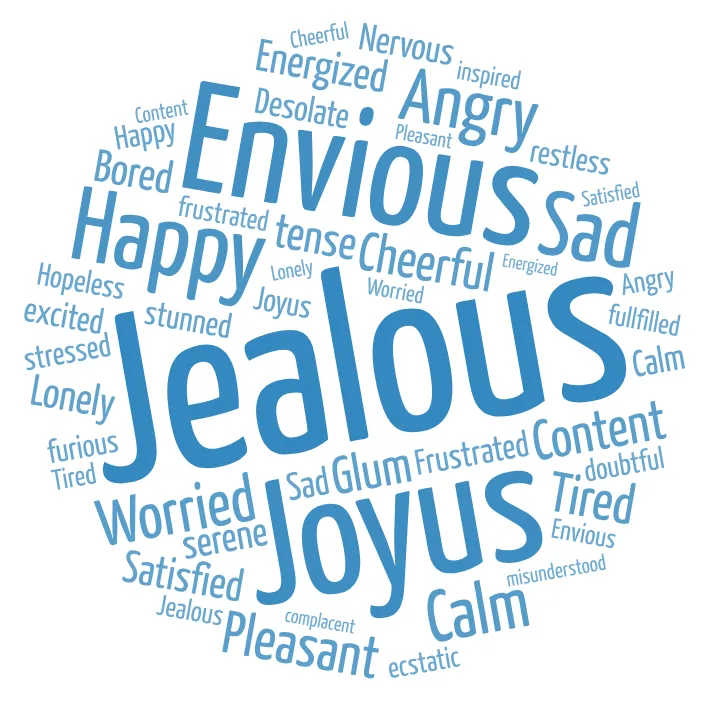
Have you ever felt angry, only to realize later that anger wasn’t the real emotion at all? Many of us reach for regulation tools: deep breathing, distraction, positive thinking, without first asking a more important question: What am I actually feeling?
Emotional regulation can be challenging for both children and adults. While there is no shortage of tools suggested for managing emotions, the foundation of effective emotional regulation is accurate identification of what we are actually feeling. When we mislabel emotions, we often choose strategies that don’t address the real issue.
Recently, I listened to Andrew Huberman’s podcast featuring Marc Brackett, Director of the Yale Center for Emotional Intelligence. Brackett shared several compelling examples of how easily people misidentify their emotions and how clarity can change their responses.
One story focused on Brackett’s father, who believed he was angry at his wife because she spent so much time with their grandchildren. Through conversation, Brackett helped his father recognize that anger was not the root emotion. Instead, he was feeling jealous, hurt that his wife’s attention and care were directed elsewhere. This is a common relational dynamic: someone interprets their reaction as anger toward a partner’s choices, when the deeper emotion is fear—fear of losing attention, status, or love.
Brackett shared another example involving his Yale students, many of whom reported experiencing high levels of stress. Brackett defines stress as a situation in which demands exceed available resources. Upon closer examination, the students realized that their distress was not due to a true lack of resources, but rather envy: comparing themselves to peers who appeared to have more financial support, stronger connections, or greater advantages. Again, mislabeling the emotion made it harder to address effectively.
These examples highlight how confusing emotions can be and how easily they overlap. Personally, I notice that when I feel disappointed, it is often connected to a sense that an outcome feels unfair or unjust. When I feel angry, it is usually because things did not go the way I expected or wanted them to. Although these emotions can look similar on the surface, they require different regulatory tools.
For example, taking a few deep breaths can be helpful when I feel angry, as it creates space between the emotion and my reaction. When I feel disappointed, however, breathing alone is rarely enough. Reflection becomes more useful: examining why the outcome mattered so much, whether my expectations were realistic, and how I might approach similar situations differently in the future. This process not only helps in the moment, but also builds emotional insight over time.
Ultimately, emotional regulation is less about suppressing feelings and more about understanding them accurately. When we name emotions correctly, we gain access to strategies that truly support regulation, resilience, and growth.
Article tags
- emotional regulation
- emotional awareness
- why tools for emotional regulation might not work

Dr. Alina Kirshon-Goldman
Executive & Leadership Coach, DMA, CPC
Executive and leadership coach helping founders, executives, and senior professionals lead with greater clarity, purpose, and sustainable impact.
Learn more about Alina →Lead with greater clarity and purpose.
Explore individualized coaching for greater leadership impact and sustainable performance.
Schedule a Discovery CallRelated articles
Regulating vs suppressing emotions
Emotional regulation allows release of negative emotions. When emotions are regulated, the person can move on and respond to life events without reacting. When the person is not able to release the emotions, often stress causes muscle tension or more serious medical issues.
6 Tips for Cognitive Emotional Regulation
Learn 6 cognitive emotional regulation tools to use after you name what you feel. Explore reframing, values-based action, rituals, and reflection.
11 tips for Somatic Emotional Regulation (Body-Based Tools)
Learn 11 body-based tools to calm your nervous system, release intense emotions, and match each technique to what you feel in the moment.